Entering the Heart of Hurricane Season 2025: How to Prepare, Protect, and Show Up for Your Community
As we enter the peak of the 2025 hurricane season, we’re reminded once again that disasters don’t wait — and neither can we. August through October is when the Atlantic hurricane season is most active, and with climate patterns becoming increasingly erratic, our collective readiness can make the difference between chaos and community-led resilience.
At Ground Force Humanitarian Aid, we’ve been on the front lines of over 30 disaster responses. From those experiences, one truth stands out: the more prepared a community is before the storm, the faster recovery happens after it. Whether you’re caring for a loved one, checking on a neighbor, or simply wondering how to help, now is the time to get involved. Here are three essential steps to get prepared and protect your most vulnerable neighbors.
1. Make a Plan for the Elderly — Don’t Wait for the Warning
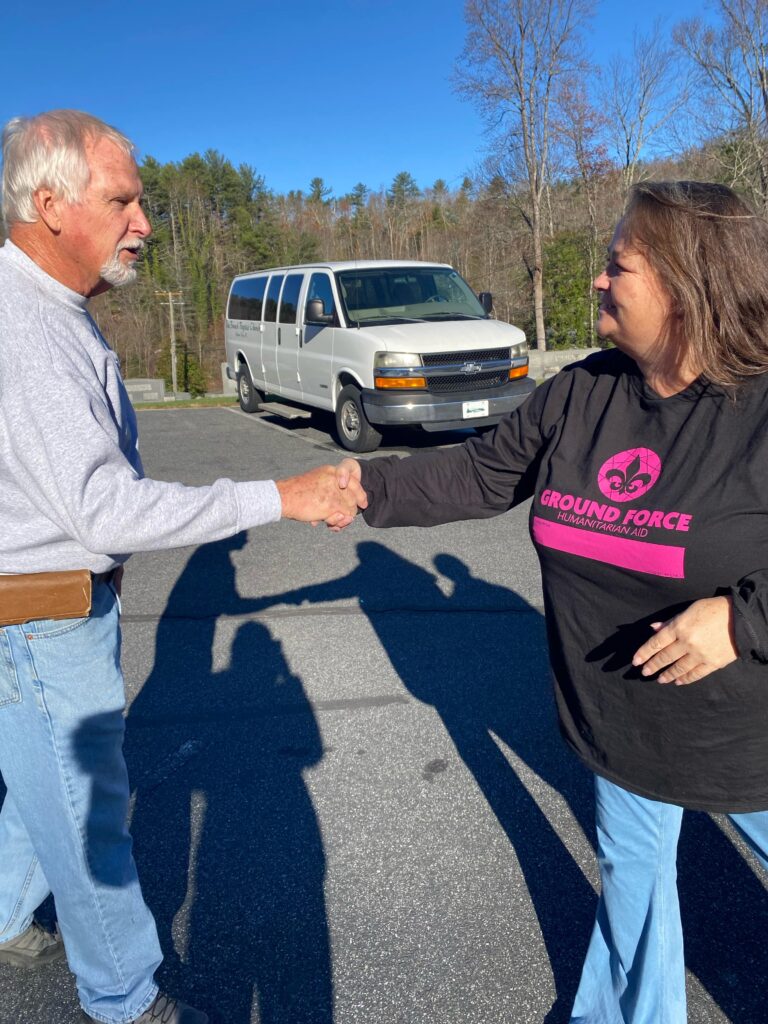
Hurricanes are especially dangerous for older adults, many of whom live alone, rely on medications, or have mobility issues that make evacuating difficult. Here’s what every family and community should be doing right now:
- Review medications: Make sure there’s at least a 2-week supply of critical medications and medical equipment (oxygen tanks, batteries, etc.). Keep copies of prescriptions in a waterproof bag.
- Know how to use your tech devices: Understand how to your cell phone, iPad, or any other tech device in order to reach help if needed. When we lose power and internet, many elderly do not know what to do, or how to connect to a lifeline. Set up alerts for your ohone to get updates on potential threatening storms.
- Establish an evacuation plan: Know the nearest shelters, accessible transportation options, and who will accompany or assist your elderly loved one if evacuation becomes necessary.
- Create an emergency contact sheet: Include family, friends, healthcare providers, and local emergency services. Print it out and keep it in an easy-to-find place.
- Do a wellness check: If you have elderly neighbors or know someone who lives alone, ask them now if they have a plan. Offer to be their point of contact or help them register with local evacuation assistance services.
Preparedness for the elderly isn’t just a personal matter — it’s a community responsibility. We encourage every community to organize block-by-block outreach ahead of landfall warnings.
2. Stay Informed: Know Who to Trust When the Storm Approaches
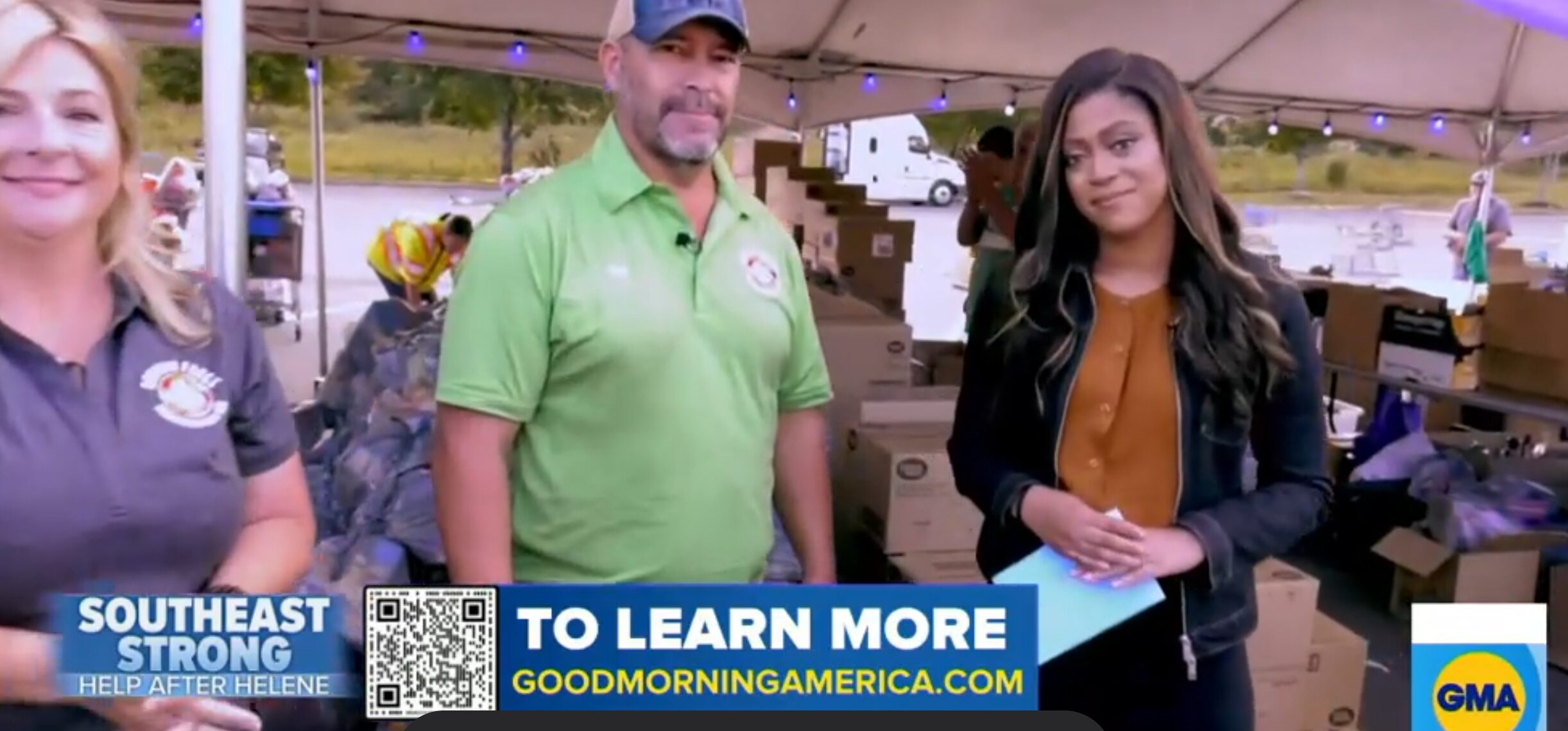
The hours leading up to a hurricane can be filled with confusion, misinformation, and fear. In this era of constant digital noise, it’s critical to know where to get reliable updates:
- Follow Ground Force Humanitarian Aid (and our rapid-response DBA, Cajun Navy Ground Force) on social media. We provide real-time updates from the field, volunteer deployment notices, and live storytelling that shows what’s really happening on the ground.
- Track storms through official sources like:
- National Hurricane Center (NHC)
- NOAA (National Oceanic and Atmospheric Administration)
- Your local emergency management agency or trusted local news station.
Turn on alerts. Set a check-in routine. Knowledge gives you power — and time — to act wisely before conditions deteriorate.
3. Become a Stabilizer in Your Community — Volunteer Through Stability.org
When a disaster hits, local help is the fastest help. Through Stability.org, you can register as a local responder and join the network of everyday citizens trained to provide essential aid during crisis response.
Whether you want to distribute meals, check on vulnerable neighbors, clear debris, or support a SAFE Camp (our Swift Action Force Emergency basecamps), Stability.org connects you with real-time needs in your zip code.
Here’s how to get started:
- Visit www.Stability.org
- Create a volunteer profile.
- Sign up for opportunities in your area or get trained through our Swift Intervention Training program.
- Mobilize when disaster strikes — and long after the cameras leave.
We believe in volunteers with a mission and a map — people rooted in compassion, guided by data, and connected through community.
Final Thoughts
Hurricane season isn’t just a time to brace for storms — it’s a time to build resilience. Whether it’s checking in on an elder, tuning into trusted updates, or raising your hand to help, small actions save lives.
We’ve learned that in the wake of disaster, no one wants to be alone.
Let’s make sure they don’t have to be.
If you cant volunteer, but want to get involved, please consider donating to our mission here