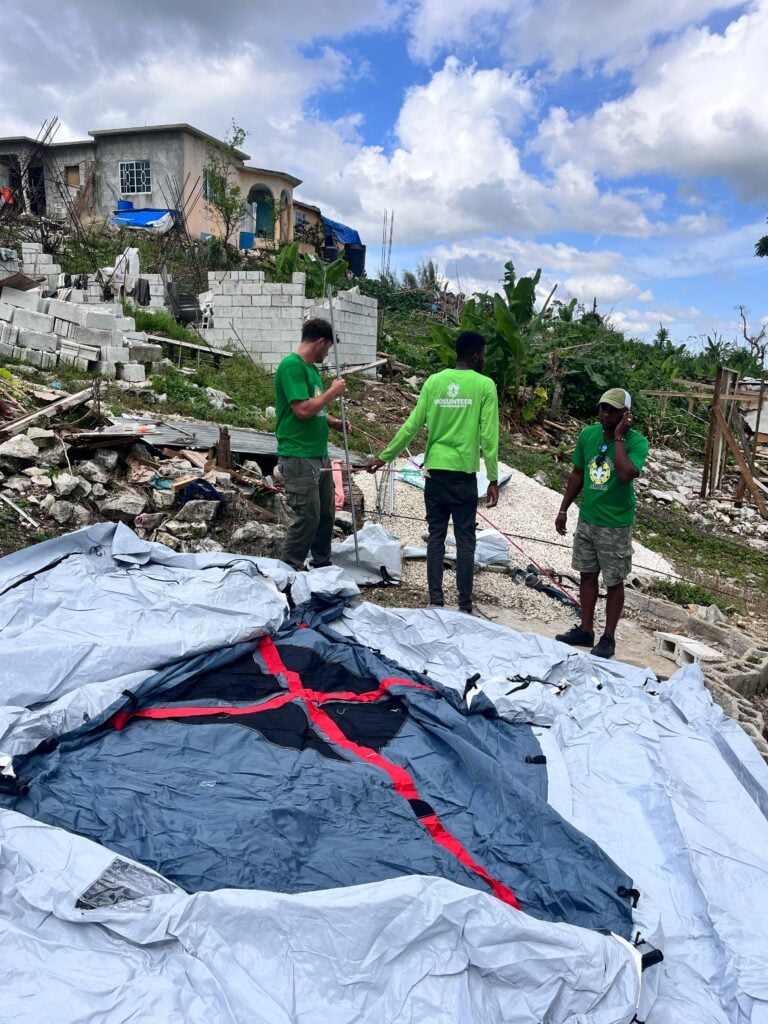
Behind the Scenes: How Ground Force Humanitarian Aid Prepares for Disaster Deployment
When Disaster Looms, Preparation is Everything
At Ground Force Humanitarian Aid (GFHA), we don’t just react to disasters—we anticipate them. With a mission to protect the most vulnerable, especially seniors and low-income communities, our deployment process is built around swift, well-orchestrated action.
Here’s how we prepare, step-by-step, before we even set foot in the disaster zone.
1. Making the Go/No-Go Call
Our Core Team monitors storm development and local risk factors. Once we determine that a response is needed—based on storm type, region vulnerability, and emergency system overload—we activate deployment protocols and begin building the team.
2. Assembling the Operations Team
We activate a full team of experienced leaders and coordinators including:
- Operations Lead
- Volunteer Coordinator
- Equipment Manager
- Public Relations Manager
- Medical and Hospitality Leads
Every role has clear responsibilities, from logistics to communications.
3. Partnering with Local Communities
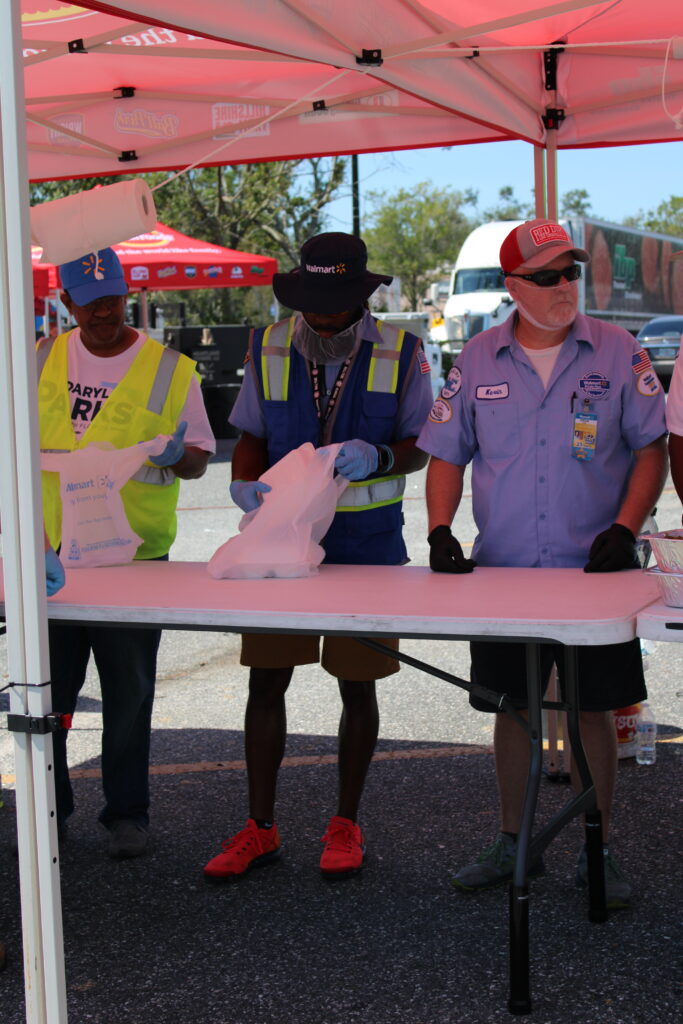
Before arrival, we identify and reach out to:
- Local nonprofits
- Faith-based organizations
- Emergency managers
- Elected officials
- Local and national media
Our team creates Mutual Operations Understanding agreements with each group to foster seamless collaboration on the ground.
4. Identifying Key Locations
We pre-select:
- Walmart parking lots for SAFE Camps
- Warehouses for supply management
- Volunteer housing and shower locations
- FEMA, Red Cross, and local EOC offices
Strategic placement ensures maximum accessibility for survivors and responders.
5. Pre-Staging Supplies and Equipment
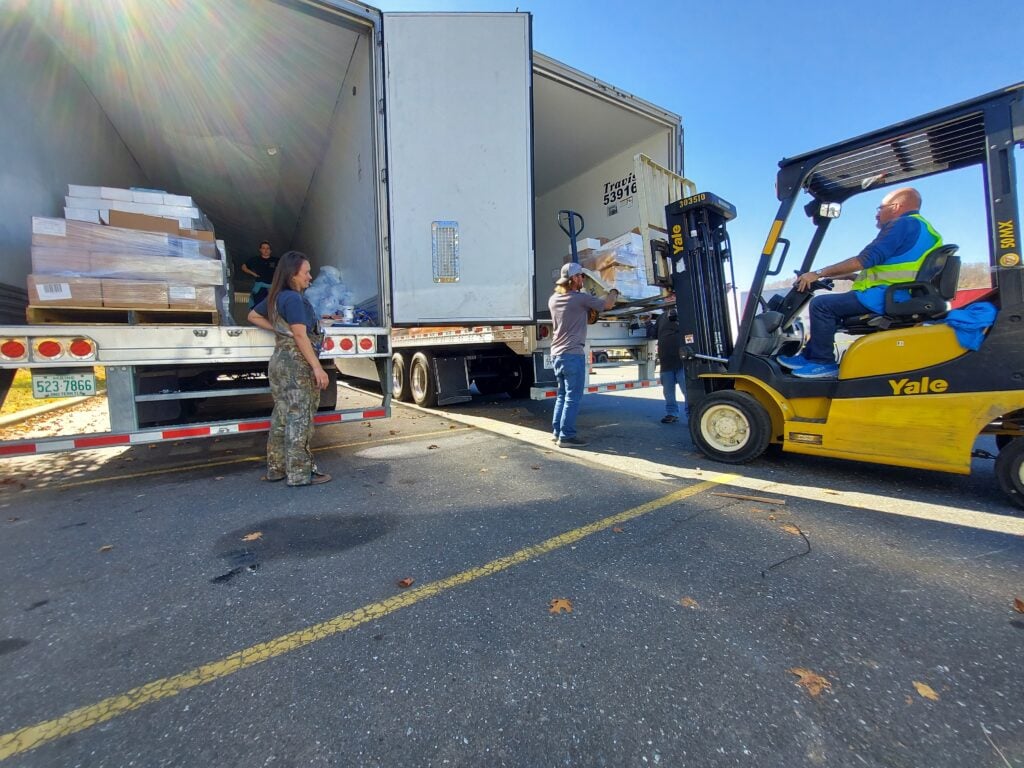
We prepare our assets just outside the impact zone, including:
- RVs and tool trailers
- Refrigerated trucks
- Stocked sea containers
- Food and water supplies
- Portable toilets and generators
This ensures we can move in immediately once conditions allow.
6. Leveraging Technology
At the core of our tech-driven deployment is Stability.org—our own custom-built platform that connects volunteers, community partners, and emergency managers in real-time. Think of it as the “LinkedIn for Disasters.” Stability helps communities become instantly disaster-ready by providing training, coordination tools, and a real-time social feed with purpose.
In addition to Stability.org, we train communities and our teams to use:
- CrowdRelief – Tracks needs and locations of impacted individuals
- Zello – Offers live walkie-talkie-style communication in the field
- Gophr – Helps us efficiently dispatch teams and supplies
We also set up:
- Facebook groups and storm-specific pages
- Text alert systems for donations, help requests, and volunteer sign-ups
- Branded cover images and communications kits
This tech ecosystem ensures that whether you’re on the ground or across the country, you can contribute meaningfully to a rapid and well-coordinated response.
7. Daily Team Calls & Training
- Nightly coordination calls
- App walkthroughs
- Role-specific briefings
- Downloadable manuals and SOPs
Every team member, from case managers to dispatchers, is trained and ready.
8. Executing the Pre-Stage Plan
With our equipment staged, manuals distributed, and communications live, we begin rolling into communities as soon as roads are clear. Our mission: bring stability, structure, and supplies directly to survivors within hours—not weeks.
Why It Works
Our deployment preparation isn’t just about logistics—it’s about trust. We lead with positivity, partner with purpose, and create a stable presence in the chaos.
If you’re a partner, donor, or volunteer, know this: when you support GFHA, you’re supporting one of the most organized, responsive, and compassionate disaster teams in the country.
We are planning our deployment to Jamaica in the wake of Hurricane Melissa. Please donate or Volunteer at the links below to help support our mission.
DONATE Here
VOLUNTEER Here