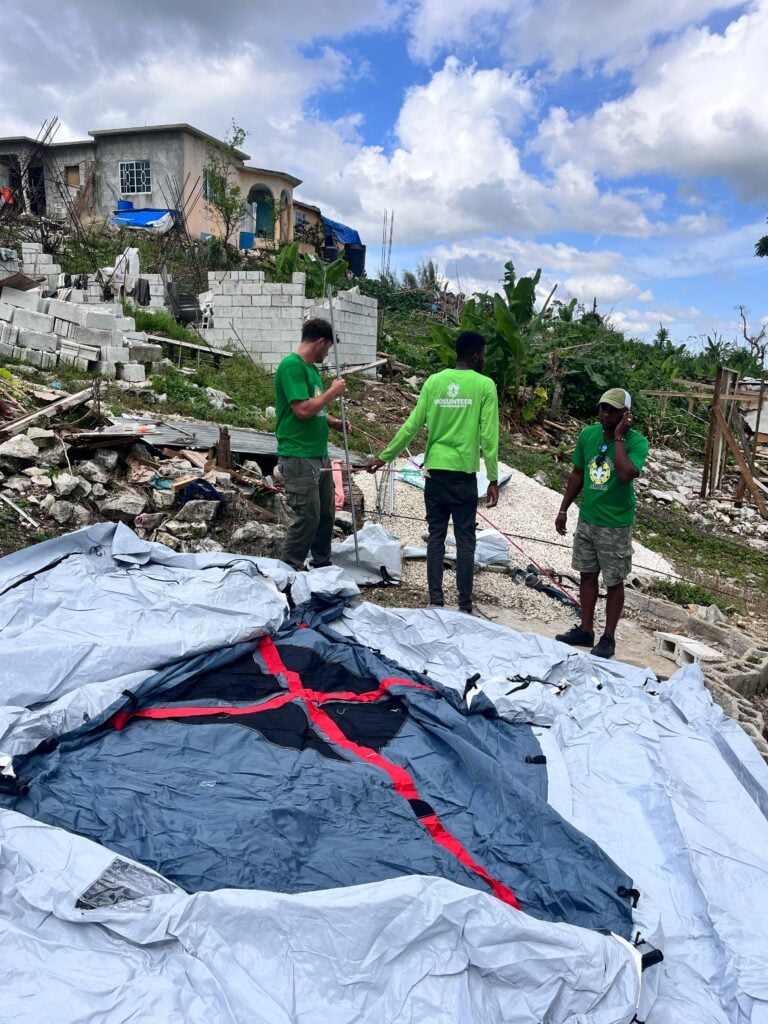
The Deadliest Hurricanes in U.S. History — And Why Ground Force Humanitarian Aid Exists to Change the Outcome
Since the early 20th century, hurricanes have claimed thousands of lives across the United States. While wind speed often defines how we categorize a storm, it’s not always the strongest hurricanes that are the deadliest—it’s those that strike vulnerable populations, overwhelm infrastructure, or catch communities unprepared.
At Ground Force Humanitarian Aid (GFHA), we study these historic disasters to inform our mission: to change the path of fate for people who can’t evacuate, can’t access aid, and are too often left behind. Our five programs—paired with the community-coordination platform Stability.org—exist to ensure that when the next storm hits, help arrives fast, and no one is forgotten.
Below is a fact-based look at five of the deadliest hurricanes in U.S. history, and the lessons each one teaches us about disaster readiness, equity, and recovery.
🌀 1. Hurricane Katrina (2005)
📍 Louisiana, Mississippi, and Alabama
– 1,392 confirmed deaths in the U.S.
– Landfall: August 29, 2005
– Category at landfall: 3
Why It Was So Deadly:
- Katrina made landfall in southeast Louisiana and Mississippi with maximum sustained winds of 125 mph (Category 3).
- The storm surge breached levees in over 50 locations in the New Orleans metro area.
- About 80% of New Orleans flooded—some areas under more than 10 feet of water.
- Many residents lacked transportation or support to evacuate.
- Emergency response was slow and disorganized, especially in New Orleans.
Source: National Hurricane Center (NHC), U.S. Census Bureau
🌀 2. The Galveston Hurricane (1900)
📍 Galveston, Texas
– Estimated 6,000 to 12,000 deaths (most commonly cited: ~8,000)
–Landfall: September 8, 1900
– Estimated Category: 4 (based on wind pressure readings)
Why It Was So Deadly:
- This remains the deadliest natural disaster in U.S. history.
- Galveston had no seawall at the time and sat only 9 feet above sea level.
- The hurricane produced a storm surge estimated at 15 feet, which covered the island and destroyed more than 3,600 buildings.
- Warning systems were rudimentary, and many residents were unaware of the storm’s approach.
Source: NOAA, National Weather Service
🌀 3. Hurricane Maria (2017) (U.S. territory: Puerto Rico)
📍 Puerto Rico
– Estimated 2,975 deaths (per independent study commissioned by the Puerto Rican government)
– Landfall: September 20, 2017
– Category at landfall: 4
Why It Was So Deadly:
- Maria made landfall in Puerto Rico with winds of 155 mph.
- The storm devastated the island’s power grid and communication infrastructure.
- Many deaths occurred in the weeks and months following due to lack of electricity, clean water, and medical care.
- The federal response faced widespread criticism for being delayed and insufficient.
Sources: George Washington University report, National Hurricane Center
🌀 4. Hurricane Okeechobee (1928)
📍 Florida (Lake Okeechobee area)
– At least 2,500 deaths (most in the U.S.)
– Landfall: September 16, 1928
– Category at landfall: 4
Why It Was So Deadly:
- After crossing Puerto Rico and causing hundreds of deaths there, the hurricane made landfall in Florida.
- The storm caused Lake Okeechobee to overflow, sending a 6–10 foot wall of water into nearby towns.
- Many of the dead were Black farmworkers living in low-lying areas.
- The disaster exposed major racial and class disparities in recovery and memorialization.
Source: NOAA, NHC
🌀 5. Hurricane Sandy (2012)
📍 Northeastern U.S. (especially New York and New Jersey)
– 117 direct deaths in the U.S. (233 total including indirect and other countries)
– Landfall: October 29, 2012
– Category: Post-tropical cyclone at landfall, but hurricane-force winds
Why It Was So Deadly:
- Sandy merged with a cold front, forming a massive “superstorm” with a record-setting storm surge.
- Coastal flooding caused widespread power outages, especially in New York City and New Jersey.
- Many died from drowning, falling trees, and lack of heat or power after the storm.
Source: NHC, NOAA
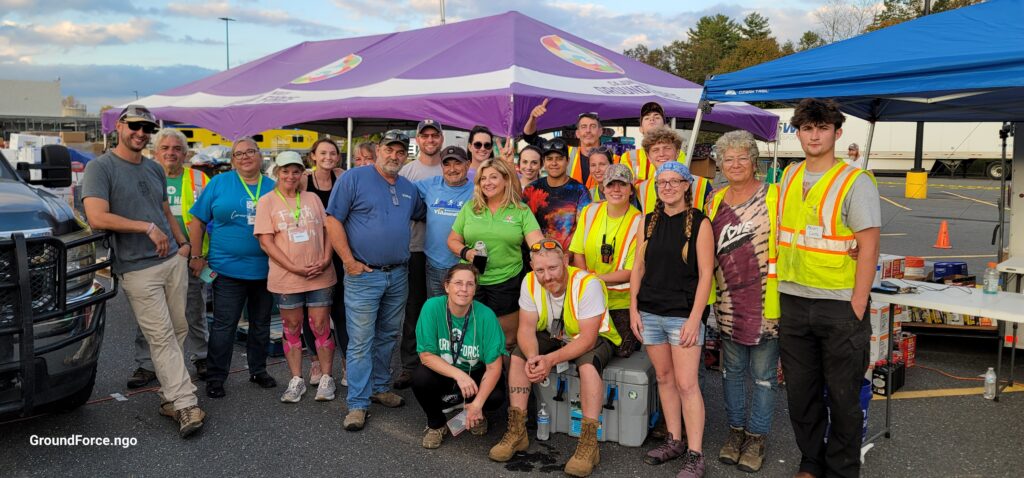
What These Storms Reveal — and What GFHA Is Doing Differently
Across these disasters, the patterns are clear:
- Vulnerable populations suffer the most.
- Many fatalities occur after the storm from poor infrastructure, isolation, or medical neglect.
- Disparities in income, race, age, and geography affect both survival and recovery.
That’s where Ground Force Humanitarian Aid comes in.
How GFHA Changes the Path of Fate
We deploy a community-powered model of disaster response, built around five key programs:
✅ 1. SAFE Camp
Pop-up relief hubs that provide essential services like meals, supplies, medical aid, and internet access—usually set up within hours of impact.
✅ 2. Community Caretaking
We reach those who can’t reach us—bringing wellness checks, cleanup help, and critical support directly to elderly and disabled residents in their homes.
✅ 3. Data-Driven Remote Teams
Volunteers across the country coordinate logistics, track impact zones, and dispatch field teams in real time.
✅ 4. Visual Storytelling
We keep disaster survivors visible long after the news cycle ends, using live video, social media, and interviews to drive continued support and donations.
✅ 5. Swift Intervention Training
A year-round volunteer training initiative that prepares everyday citizens to respond to disasters in their own communities and beyond.
Stability.org: Our Coordination Backbone
GFHA’s response is powered by Stability.org — a volunteer-driven coordination platform where needs meet resources in real time. Individuals can:
- Request help
- Offer assistance
- Deploy to field locations
- Connect with partner organizations
The Next Storm Is Coming. Let’s Be Ready.
History proves it: storms don’t discriminate, but disaster outcomes do. It’s not the strength of the wind, but the strength of the response that determines who lives, who suffers, and who recovers.
At Ground Force Humanitarian Aid, we exist to close that gap.
➡️ Join Stability.org
🧡 Donate to support our response teams Here
🛠️ Train or volunteer with GFHA